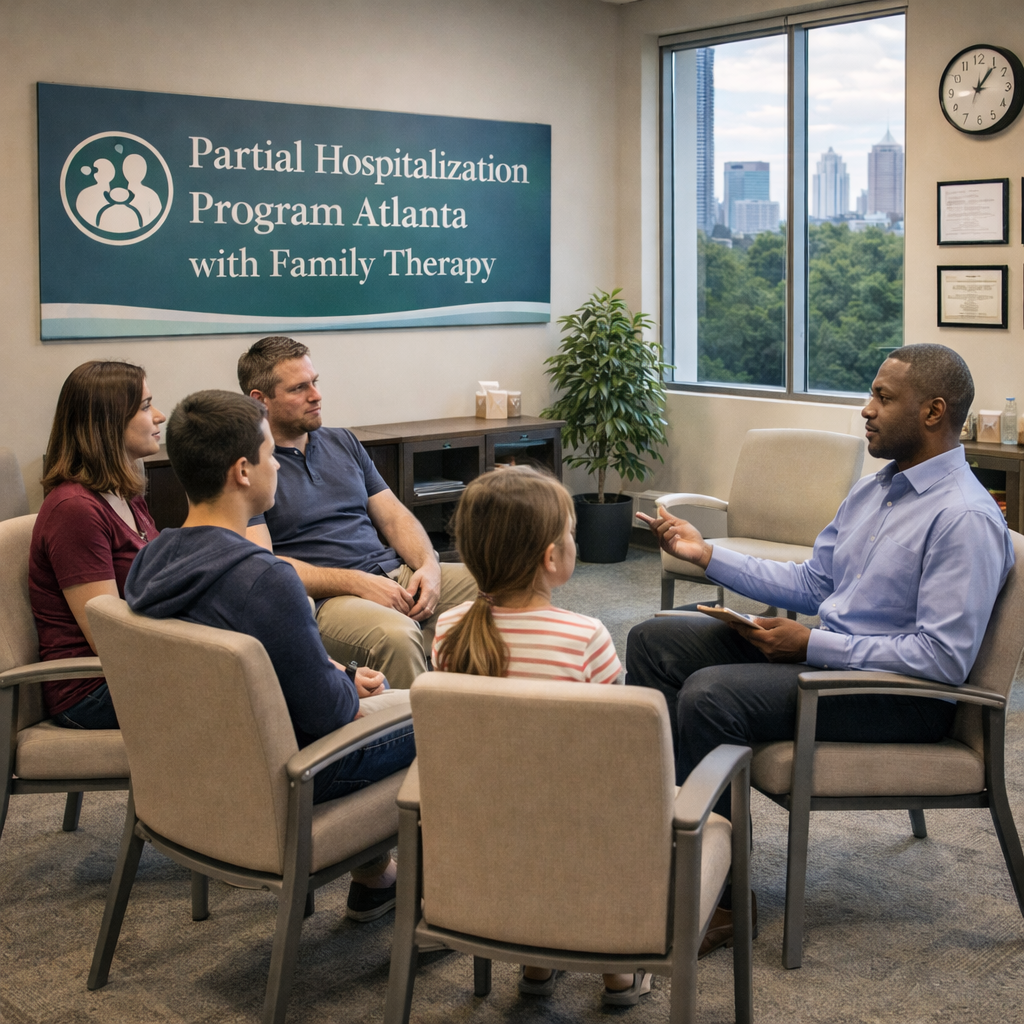
When someone you love is struggling with mental health or addiction, finding the right level of care can feel overwhelming. A Partial Hospitalization Program Atlanta with Family Therapy offers a powerful solution for individuals who need structured, intensive treatment while still maintaining connection to home and loved ones. It bridges the gap between inpatient care and traditional outpatient therapy, providing strong clinical support without requiring overnight stays.
In Atlanta, families are increasingly recognizing that recovery is not just an individual journey. It is a shared experience. When family therapy is integrated into a partial hospitalization program, healing becomes deeper, more sustainable, and more meaningful.
This comprehensive guide will walk you through what a partial hospitalization program is, how family therapy transforms outcomes, who can benefit, and what to expect during treatment in Atlanta.
What Is a Partial Hospitalization Program
A Partial Hospitalization Program, often referred to as PHP, is a structured mental health or addiction treatment program that typically runs five to six days per week for several hours each day. Clients attend therapy, group sessions, and medical monitoring during the day and return home in the evening.
This level of care is ideal for individuals who:
- Need more support than weekly therapy
- Are stepping down from inpatient treatment
- Are experiencing moderate to severe mental health symptoms
- Require medication management and close monitoring
- Benefit from daily therapeutic structure
Unlike residential programs, PHP allows individuals to remain connected to family and community life. This is especially valuable in a city like Atlanta, where strong family networks often play a central role in emotional support and long-term stability.
Why Choose a Partial Hospitalization Program Atlanta with Family Therapy
Choosing a Partial Hospitalization Program Atlanta with Family Therapy means choosing a treatment approach that recognizes one important truth: mental health challenges do not happen in isolation.
Family systems influence behavior, coping skills, stress levels, and emotional resilience. When family members are involved in the healing process, recovery outcomes significantly improve.
Here is why this combined approach is so effective:
1. It Addresses the Root Causes
Mental health conditions such as depression, anxiety, trauma, and substance use disorders often have relational components. Family therapy helps uncover patterns that may contribute to stress, conflict, or emotional triggers.
2. It Builds Healthy Communication
Many families struggle with communication during times of crisis. Structured family sessions teach skills such as active listening, emotional validation, and conflict resolution.
3. It Reduces Relapse Risk
Research consistently shows that individuals with strong family support are less likely to relapse into unhealthy behaviors. Family therapy equips loved ones with tools to support recovery rather than unintentionally hinder it.
4. It Promotes Accountability and Compassion
When families understand the clinical nature of mental health conditions, blame decreases and empathy increases. This shift alone can transform the recovery environment at home.
Who Can Benefit from This Level of Care
A Partial Hospitalization Program in Atlanta with integrated family therapy can support individuals facing:
- Major depressive disorder
- Anxiety disorders
- Bipolar disorder
- Post traumatic stress disorder
- Substance use disorders
- Co occurring mental health and addiction issues
- Emotional dysregulation
- Crisis stabilization needs
It is especially beneficial for adolescents and young adults who still live at home, as well as adults whose family members are actively involved in their lives.
What to Expect in a Typical PHP Day
Understanding what daily life looks like in a partial hospitalization program can ease anxiety about starting treatment.
A typical day may include:
- Morning check in and goal setting
- Individual therapy sessions
- Group therapy focused on skill building
- Cognitive behavioral therapy exercises
- Trauma informed therapy sessions
- Medication management with a psychiatrist
- Educational workshops
- Family therapy sessions scheduled weekly or bi weekly
Programs in Atlanta often tailor treatment plans to individual needs. Some may incorporate mindfulness practices, art therapy, or holistic approaches depending on the clinical model.
The Role of Family Therapy in Recovery
Family therapy within a partial hospitalization program is not just an add on. It is a structured and evidence based component of care.
Here are key elements often included:
Psychoeducation
Families learn about diagnoses, symptoms, triggers, and treatment strategies. Understanding what a loved one is experiencing removes fear and confusion.
Boundary Setting
Healthy boundaries protect both the individual in recovery and family members. Therapists guide families in establishing expectations that promote safety and accountability.
Repairing Relationships
Past conflicts or misunderstandings can create emotional barriers. Guided sessions provide a safe space for honest conversations.
Crisis Planning
Families learn how to respond if symptoms escalate. This preparation builds confidence and reduces panic during difficult moments.
Why Atlanta Is an Ideal Place for Recovery
Atlanta offers a diverse network of mental health professionals, medical specialists, and supportive communities. The city combines metropolitan resources with access to natural spaces that promote emotional wellness.
Many treatment centers in Atlanta emphasize culturally sensitive care, recognizing the unique backgrounds and experiences of each client. This is particularly important in family therapy, where cultural values and traditions influence family dynamics.
In addition, Atlanta’s strong healthcare infrastructure ensures that partial hospitalization programs can coordinate with primary care physicians, psychiatrists, and specialized providers when needed.
Comparing PHP to Other Treatment Options
Choosing the right level of care is essential. Here is how PHP compares to other options:
Inpatient Treatment
Inpatient programs require overnight stays and are designed for individuals in acute crisis. They offer 24-hour supervision.
Intensive Outpatient Programs
Intensive outpatient programs provide fewer weekly hours than PHP. They are appropriate for individuals who need support but are relatively stable.
Traditional Outpatient Therapy
Weekly therapy sessions offer ongoing support but may not be sufficient during severe symptom periods.
A Partial Hospitalization Program Atlanta with Family Therapy sits in the middle, offering intensive daily treatment while maintaining family integration.
Emotional Benefits of Staying Connected to Home
One of the biggest advantages of PHP is the ability to return home each evening. This allows individuals to:
- Practice new coping skills in real life settings
- Maintain employment or academic responsibilities when appropriate
- Strengthen family bonds through structured communication
- Build independence while receiving professional support
Healing happens not only in therapy rooms but also at the dinner table, in everyday conversations, and during shared experiences.
How Family Therapy Transforms Outcomes
Families often enter treatment feeling confused, frustrated, or exhausted. Over time, they begin to understand that recovery is a shared effort.
Common transformations include:
- Reduced conflict and improved communication
- Greater emotional awareness
- Increased empathy
- Clearer boundaries
- Shared goals for wellness
These changes extend beyond the duration of the program and create long term resilience.
Addressing Stigma Around Mental Health
Many families hesitate to seek intensive treatment due to stigma. In reality, participating in a partial hospitalization program is a proactive step toward health.
Mental health conditions are medical issues, not personal failures. Seeking structured care demonstrates strength and responsibility.
In Atlanta, public awareness around mental health continues to grow. More families are openly discussing anxiety, depression, trauma, and addiction. This cultural shift makes it easier to seek support without shame.
Preparing for Admission
If you are considering a Partial Hospitalization Program Atlanta with Family Therapy, here are steps to take:
- Schedule a clinical assessment
- Verify insurance coverage
- Discuss family participation requirements
- Arrange transportation if needed
- Prepare for a structured daily schedule
Most programs provide intake coordinators who guide families through the admission process and answer questions.
Signs It May Be Time for PHP
Consider a partial hospitalization program if:
- Symptoms are worsening despite outpatient therapy
- There is risk of self harm but not immediate danger
- Emotional instability is interfering with daily life
- Substance use is escalating
- Family conflict is intensifying due to mental health challenges
Early intervention often prevents the need for more restrictive levels of care.
The Long-Term Impact of Integrated Treatment
When individual therapy and family therapy work together, the results can be life changing.
Clients often report:
- Increased self-awareness
- Improved emotional regulation
- Stronger family relationships
- Greater confidence in coping skills
- Reduced relapse rates
Families report:
- Better communication
- Clearer understanding of mental health
- Increased patience and empathy
- Renewed hope
Recovery is not a single event. It is a process that unfolds over time. A structured partial hospitalization program provides the foundation for sustainable healing.
Final Thoughts
Choosing a Partial Hospitalization Program Atlanta with Family Therapy is not just about managing symptoms. It is about rebuilding trust, strengthening relationships, and creating a supportive environment for long term wellness.
If you or someone you love is struggling, remember that help is available. Intensive structured care combined with family involvement offers a path toward healing that honors both individual growth and collective strength.
Recovery is possible. And when families heal together, the impact reaches far beyond the walls of any treatment center.